
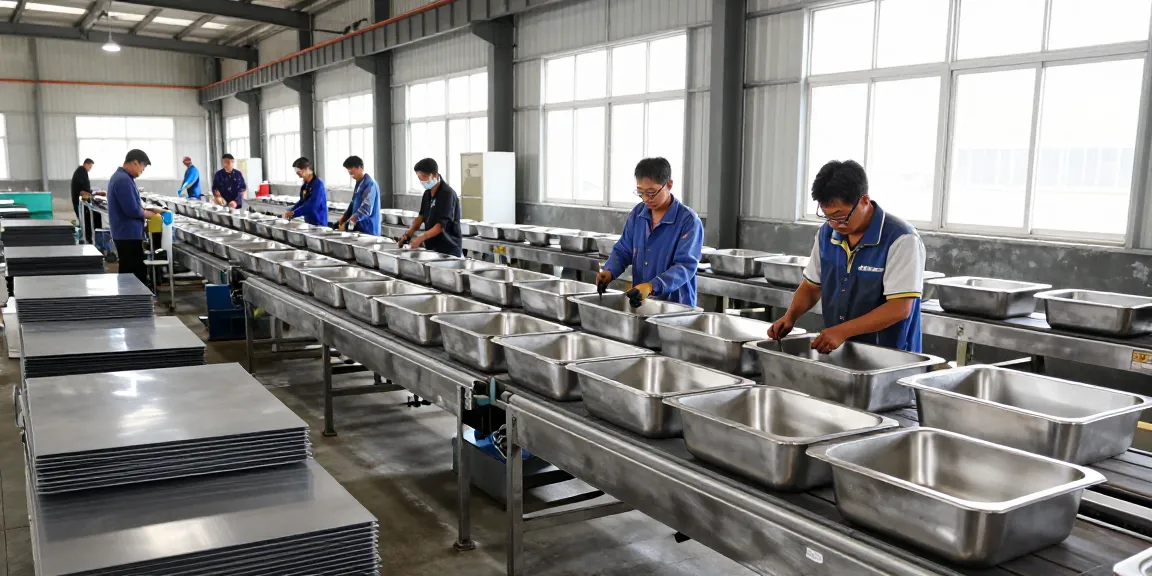
The Advantages of Choosing a Stainless Steel Basin Factory
In the modern kitchen, choosing the right materials is crucial for both functionality and aesthetics. One of the standout choices for kitchen fixtures is stainless steel, notably in the form of basins. Partnering with a specialized stainless steel basin factory offers numerous advantages that can elevate your kitchen design and durability. From quality assurance to eco-friendly practices, understanding the benefits of these factories can help consumers and businesses alike make informed decisions.
Quality Assurance in Manufacturing
Quality assurance is a critical component of any manufacturing process, but it holds particular significance in industries where durability and performance are essential, such as kitchen fixtures. Leading stainless steel basin factories adhere to strict quality control measures, ensuring that every product meets the highest standards. This involves rigorous testing of materials and production processes, which can include everything from stress testing to corrosion resistance assessments. Such quality assurance not only provides peace of mind for consumers but also helps manufacturers maintain a competitive edge in the market.
Durability and Longevity of Stainless Steel Products
Stainless steel is renowned for its impressive durability and longevity. Unlike other materials, stainless steel resists rust, staining, and corrosion, making it an ideal choice for kitchens that use water frequently. Basins manufactured from high-grade stainless steel can withstand the rigors of daily use, including exposure to heat and harsh cleaning agents. This inherent strength translates to a longer lifespan of the product, reducing the need for frequent replacements and ultimately saving money in the long term.
Eco-Friendly Manufacturing Practices
As sustainability becomes a focal point in the manufacturing industry, many stainless steel basin factories are adopting eco-friendly practices. This may include using recycled materials in the production of new basins and implementing energy-efficient manufacturing processes. By choosing products from these factories, consumers can support efforts to minimize environmental impact and promote sustainable practices. Additionally, stainless steel is fully recyclable at the end of its lifecycle, further reinforcing its appeal as a responsible choice for eco-conscious buyers.
Understanding the Manufacturing Process of Stainless Steel Basins
The manufacturing process of stainless steel basins is intricate and involves several stages, each crucial to the final product’s quality and performance. Understanding this process can help consumers appreciate the craftsmanship and technology involved in producing these kitchen essentials.
From Raw Materials to Finished Product
The journey from raw materials to a finished stainless steel basin begins with the selection of high-quality steel grades. Manufacturers typically use a combination of chromium and nickel, which enhances the steel’s resistance to oxidation and staining. Once the materials are sourced, they are melted down and formed into sheets through a process known as hot or cold rolling. This essential step ensures that the steel has a uniform thickness and consistency, which is vital for the basin’s structural integrity.
Automation in Modern Factories
Modern stainless steel basin factories leverage advanced automation technology to enhance efficiency and precision in manufacturing. Automated machinery can perform tasks such as cutting, shaping, and welding with remarkable accuracy, which not only speeds up production but also reduces the likelihood of human error. Additionally, automation can lead to lower operating costs and higher output, ultimately benefiting both manufacturers and consumers by providing high-quality products at competitive prices.
Quality Control Measures and Standards
Every step of the manufacturing process is accompanied by stringent quality control measures. These factories often implement a multi-tiered approach to quality assurance, including in-process inspections and final product testing. By adhering to internationally recognized standards such as ISO 9001, manufacturers ensure that their basins not only meet but exceed consumer expectations. These rigorous standards bolster consumer trust and establish brands as leaders in the industry.
Design Innovations from Leading Stainless Steel Basin Factories
Innovation in design is a hallmark of top stainless steel basin factories, which continually push the envelope to create functional and aesthetically pleasing products. This section explores some of the latest design innovations that enhance usability and add flair to kitchen spaces.
Latest Trends in Basin Design
Current trends in basin design reflect the evolving needs and preferences of consumers. Many manufacturers are now shifting towards minimalist designs, emphasizing clean lines and sleek finishes that blend seamlessly into modern kitchens. Additionally, features such as under-mount installation and sound-deadening technology are becoming increasingly popular. These innovations cater to the desire for both style and functionality, appealing to a broad range of consumers.
Custom Solutions for Unique Kitchen Spaces
As kitchens become more personalized, so do the demands for custom solutions in basin design. Many stainless steel basin factories offer customization options, allowing consumers to specify dimensions, styles, and finishes that suit their unique kitchen layouts. This shift towards customization not only enhances consumer satisfaction but also enables manufacturers to capitalize on niche markets where versatility and personalization are key drivers.
Collaboration with Designers and Architects
Leading manufacturers often collaborate with designers and architects to create exclusive basin designs that meet specific project needs. These partnerships can lead to innovative and transformative designs that push the boundaries of traditional kitchen fixtures. By understanding the latest trends and consumer preferences, factories can remain at the forefront of the industry, offering cutting-edge products that resonate with modern sensibilities.
Challenges in the Stainless Steel Basin Industry
Despite the many advantages of stainless steel basins, manufacturers face several challenges that can impact production and market competitiveness. Addressing these challenges is essential for sustained growth and customer satisfaction.
Supply Chain Disruptions and Their Impact
Recent global events have highlighted the vulnerabilities in supply chains, affecting industries worldwide, including stainless steel manufacturing. Disruptions in the availability of raw materials, transportation delays, and fluctuations in shipping costs can hamper production schedules and inflate prices. To mitigate these challenges, manufacturers are increasingly looking to diversify suppliers and invest in local resources to create a more resilient supply chain.
Staying Competitive Amidst Market Changes
The stainless steel basin market is highly competitive, with numerous players vying for consumer attention. To remain competitive, manufacturers must continuously innovate and adapt to changing market conditions. This includes not only the introduction of new designs and features but also enhancing customer engagement through effective marketing strategies and providing exemplary customer service.
Addressing Customer Misconceptions
Despite the numerous benefits of stainless steel basins, there are still misconceptions that can deter potential buyers. For instance, some consumers may believe that stainless steel is prone to scratching or denting more easily than other materials. Manufacturers can combat these misconceptions through education and marketing efforts that highlight the durability and easy maintenance of stainless steel products. Clear communication about the advantages of stainless steel will help consumers make informed choices.
The Future of Stainless Steel Basin Manufacturing by 2026
As we look toward 2026, the stainless steel basin manufacturing industry is poised for significant growth and transformation. Emerging technologies and evolving consumer preferences will shape the landscape of this sector.
Emerging Technologies in Production
Advancements in manufacturing technologies, such as 3D printing and smart factories, are expected to have a profound impact on the production of stainless steel basins. 3D printing in particular allows for rapid prototyping and customization, giving manufacturers the ability to create bespoke designs efficiently. Additionally, smart factory technologies can optimize production processes through real-time data analysis, enhancing productivity and reducing waste.
Predictions for Industry Growth and Trends
The global market for stainless steel basins is projected to grow steadily, driven by increasing demand from the residential and commercial sectors. As renovation projects flourish and new construction continues to rise, manufacturers that can offer innovative, high-quality products with an emphasis on sustainability will likely experience the most significant growth. Trends toward open-concept kitchens and multifunctional spaces will also drive demand for aesthetically pleasing and functional basins.
Sustainability Efforts and Consumer Demand
In response to a growing demand for sustainability, manufacturers will increasingly prioritize eco-friendly practices in their operations. This includes not only the materials used but also the methods of production. Consumers are becoming more conscious of their choices and are more likely to support brands that align with their values. As a result, sustainability will play a significant role in shaping future product offerings and marketing strategies.
What Are the Benefits of Choosing a Stainless Steel Basin?
Choosing a stainless steel basin offers numerous benefits, including durability, ease of maintenance, and a sleek, modern aesthetic. Unlike other materials, stainless steel doesn’t chip or crack, making it an ideal choice for busy kitchens. Its non-porous surface prevents bacteria growth, making it a hygienic option for food preparation.
How Do Stainless Steel Basins Compare with Other Materials?
When compared to other basin materials such as porcelain or composite sinks, stainless steel stands out for its resilience. Porcelain can chip easily, while composite materials may discolor or stain over time. Stainless steel provides a combination of style and strength that few other materials can match, making it the preferred choice for many homeowners and professionals alike.
What Should I Look for in a Quality Basin?
When selecting a stainless steel basin, look for high-grade materials, a thickness of at least 16-gauge, and features such as soundproofing and a brushed finish to minimize fingerprints. Additionally, consider the design of the basin, including depth and configuration, to ensure it meets your functional needs.
Are There Custom Options Available for Stainless Steel Basins?
Yes! Many stainless steel basin factories offer customization options that allow you to tailor dimensions, designs, and finishes to suit your specific requirements. This flexibility enables homeowners to integrate their basins seamlessly into their overall kitchen design, enhancing both functionality and aesthetics.
What Are the Cost Considerations for Stainless Steel Basins?
The cost of stainless steel basins can vary widely based on factors such as size, gauge, and finish. While high-quality options may come with a higher upfront investment, their durability and longevity can lead to significant savings over time. It’s essential to consider not just the initial price but also the potential long-term value when making a purchase.


