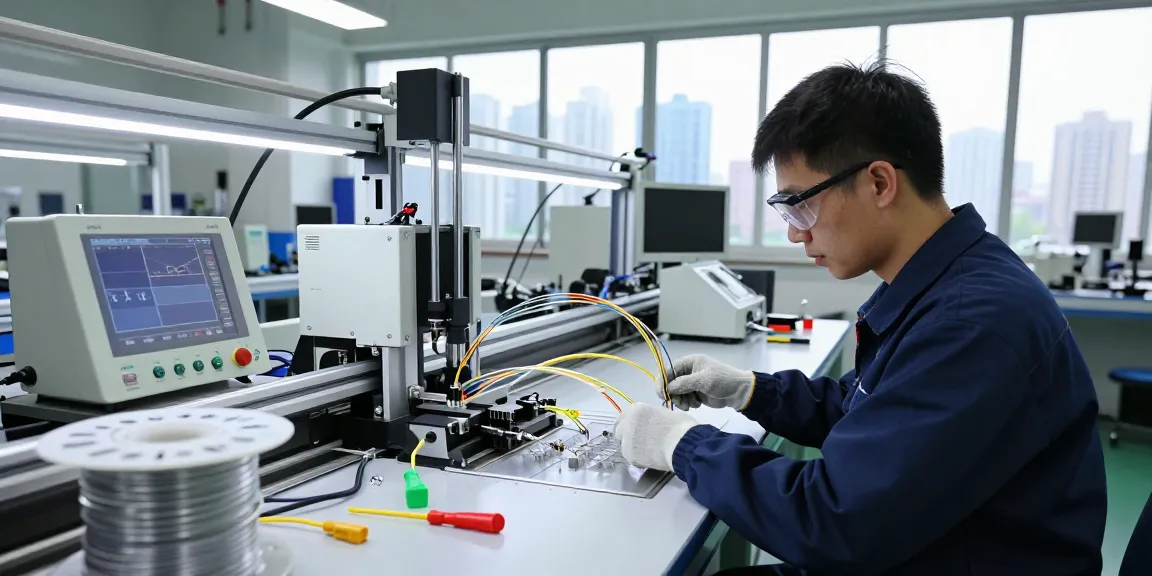
Understanding Fiber Patch Cables: The Backbone of Modern Connectivity
In today's fast-paced digital world, the demand for efficient and reliable connectivity has never been higher. At the core of this demand lies fiber patch cables, which play a crucial role in ensuring seamless communication across various networks. Fiber patch cables are designed to transmit data at incredible speeds while minimizing loss and interference, making them indispensable in both commercial and industrial settings. As companies strive to optimize their network infrastructure, understanding the nuances of these cables becomes essential.
When exploring options, fiber patch cables offer comprehensive insights into the technological advantages they provide. These cables are not only pivotal for the current operational needs but also are vital in laying the foundation for future advancements in connectivity.
What are Fiber Patch Cables?
Fiber patch cables, also known as fiber optic patch cords, are strands of fiber optic cables terminated with connectors at both ends, allowing them to connect various optical devices. They are used to connect various elements in a network, such as switches, routers, and optical transceivers, facilitating high-speed data transmission. Unlike traditional copper cables, fiber patch cables use light to transmit data, which enables them to achieve much higher speeds and longer distances without degradation of the signal.
Key Features and Benefits of Fiber Patch Cables
- High Speed: Fiber patch cables can transmit data at speeds exceeding 100 Gbps.
- Long Distance Capability: They can effectively transmit signals over distances of several kilometers without significant loss.
- Lightweight and Flexible: Their design allows for easier installation and management in various environments.
- Resistance to Electromagnetic Interference: Fiber optics are immune to interference from electromagnetic signals, making them ideal for high-density environments.
- Bandwidth Efficiency: Fiber patch cables provide a higher bandwidth capacity compared to copper cables, accommodating future growth.
Applications of Fiber Patch Cables in Various Industries
Fiber patch cables are integral to numerous sectors, including:
- Telecommunications: They form the backbone of telecom networks, connecting various elements such as switches and routers.
- Data Centers: In data centers, they facilitate high-speed connections between servers and storage devices.
- Broadcasting: Used extensively in broadcasting firms for high-definition video transmission.
- Medical: In healthcare, they support data-intensive applications such as imaging and telemedicine.
Choosing the Right Fiber Patch Cables for Your Network
With the myriad of options available, selecting the appropriate fiber patch cables for your specific needs can be daunting. Several key factors come into play when making this choice.
Factors to Consider When Selecting Fiber Patch Cables
- Connector Type: Ensure the cable connectors align with your devices (e.g., LC, SC, ST).
- Cable Type: Choose between single-mode or multi-mode fibers based on your distance and bandwidth requirements.
- Cable Length: Select lengths that minimize excess cable to avoid signal loss and clutter.
- Quality and Compliance: Opt for cables that meet industry certifications such as ISO and RoHS.
Common Misconceptions About Fiber Patch Cables
Many misconceptions can lead to poor decision-making regarding fiber patch cables. Some of the most prevalent myths include:
- Myth 1: Fiber cables are fragile and easily damaged. In reality, while they require proper handling, they are designed to withstand significant wear and tear.
- Myth 2: Only large enterprises can benefit from fiber patch cables. Small businesses can also gain significant advantages in speed and scalability.
- Myth 3: Fiber cables are too expensive. When considering total cost of ownership, their longevity and performance often outweigh initial costs.
Comparative Analysis: Fiber Patch Cables vs. Copper Cables
When comparing fiber patch cables to traditional copper cables, several factors highlight the advantages of fiber:
- Speed: Fiber can transmit data much faster than copper.
- Distance: Fiber can carry signals over much longer distances without loss.
- Bandwidth: Fiber patch cables support significantly higher bandwidth, accommodating more data.
- Safety: Fiber optics do not conduct electricity, thus reducing fire hazards.
Optimizing Your Procurement Process with Fiber Patch Cables
Streamlining your procurement process for fiber patch cables can lead to substantial operational efficiencies, enabling better resource allocation.
Streamlining Inventory Management for Fiber Patch Cables
Implementing effective inventory management techniques is essential for ensuring you have the right fiber patch cables on hand without overstocking. Techniques such as just-in-time inventory and demand forecasting can optimize stock levels, reduce waste, and minimize costs.
Leveraging Preferred Customer Pricing Programs
Participating in programs like FiberElectronics' Preferred Customer Pricing Program can dramatically improve procurement efficiency. These programs offer locked-in savings, same-day fulfillment, and zero-cost inventory management, helping your organization maximize its resources and budget.
Case Study: Success Stories with Efficient Procurement
Many organizations have successfully transformed their procurement processes through thoughtful strategies. For instance, a leading telecommunications firm leveraged optimized inventory management and engaged in a preferred customer program, resulting in a 30% reduction in procurement costs and a significant increase in operational efficiency.
Technological Innovations in Fiber Patch Cables for 2026
As technology continues to evolve, so too do fiber patch cables. Understanding the emerging trends can help organizations future-proof their infrastructure.
Emerging Trends in Fiber Optic Technology
Advancements in fiber optic technology, such as Co-Packaged Optics and silicon photonics, are anticipated to enhance the capabilities of fiber patch cables, pushing performance boundaries even further.
Future-Proofing Your Infrastructure with Next-Gen Patch Cables
Investing in next-gen patch cables that support 800G and beyond is crucial for organizations aiming for longevity in their network capabilities. These cables are designed for scalability, ready to support rising data demands.
Integrating Optical Sensing Solutions for Enhanced Performance
Many new fiber patch cable solutions incorporate optical sensing capabilities, enabling real-time monitoring of the network's performance and integrity. This integration can provide early detection of issues, allowing for proactive maintenance and minimizing downtime.
Best Practices for Maintenance and Care of Fiber Patch Cables
Proper maintenance of fiber patch cables is essential to ensure their longevity and optimal performance.
Routine Maintenance Tips for Longevity
- Regularly inspect cables for signs of wear or damage.
- Keep cables clean and free from dust and contaminants.
- Store cables in a manner that prevents kinks and bends.
Identifying and Troubleshooting Common Issues
Identifying issues with fiber patch cables early can prevent significant problems down the line. Common issues include:
- Signal Loss: Often due to improper connectors or breaks in the fiber.
- Intermittent Connections: Usually caused by dirt or misalignment in connectors.
Future Trends: Maintaining Fiber Patch Cables in a Smart Network
As networks become increasingly automated and AI-driven, the maintenance of fiber patch cables will also evolve. Future trends include autonomous monitoring systems that utilize machine learning to detect and resolve issues before they affect performance.
What are the advantages of using fiber patch cables?
Fiber patch cables provide numerous advantages, including high speed, long-distance capability, resistance to interference, and greater bandwidth compared to traditional copper cables. Their durability and performance make them a smart choice for critical infrastructure.
How do I choose the right fiber patch cables for my project?
Consider factors such as connector type, cable type (single-mode vs. multi-mode), cable length, and ensuring compliance with relevant industry standards when selecting fiber patch cables for your project.
What common mistakes should I avoid when using fiber patch cables?
Avoid overextending cable lengths, using incompatible connectors, and neglecting proper handling and storage to prevent damage.
How can I optimize my fiber patch cable procurement process?
Implementing an efficient inventory management system, leveraging preferred pricing programs, and analyzing usage patterns can help optimize procurement processes, ensuring cost-effectiveness and reducing lead times.
What are the future trends for fiber patch cables in 2026?
Future trends include advancements in AI-driven network management, increased use of optical sensing solutions, and the development of cables geared for ultra-high bandwidth applications.